In today’s competitive industrial landscape, the choice of motor technology can significantly impact efficiency and performance. Brushless Gear Motors are becoming increasingly popular due to their many advantages. Expert Maria Johnson, a leading voice in the field, states, "The precision and reliability of Brushless Gear Motors can transform operational workflows." This reflects a growing consensus among engineers and manufacturers.
Brushless Gear Motors offer enhanced efficiency and longevity compared to traditional motor systems. They reduce wear and tear by eliminating brushes, resulting in lower maintenance costs. Many industries benefit from their compact design, which allows for tighter integration into machinery. The quiet operation is also a significant advantage, minimizing noise pollution on factory floors.
While there are clear benefits, it's essential to acknowledge that not every operation requires the advanced technology of Brushless Gear Motors. The initial investment may be higher compared to conventional options. Companies must weigh these costs against potential savings in energy and maintenance. The landscape continues to evolve, and reflection on specific operational needs is crucial for informed decision-making.
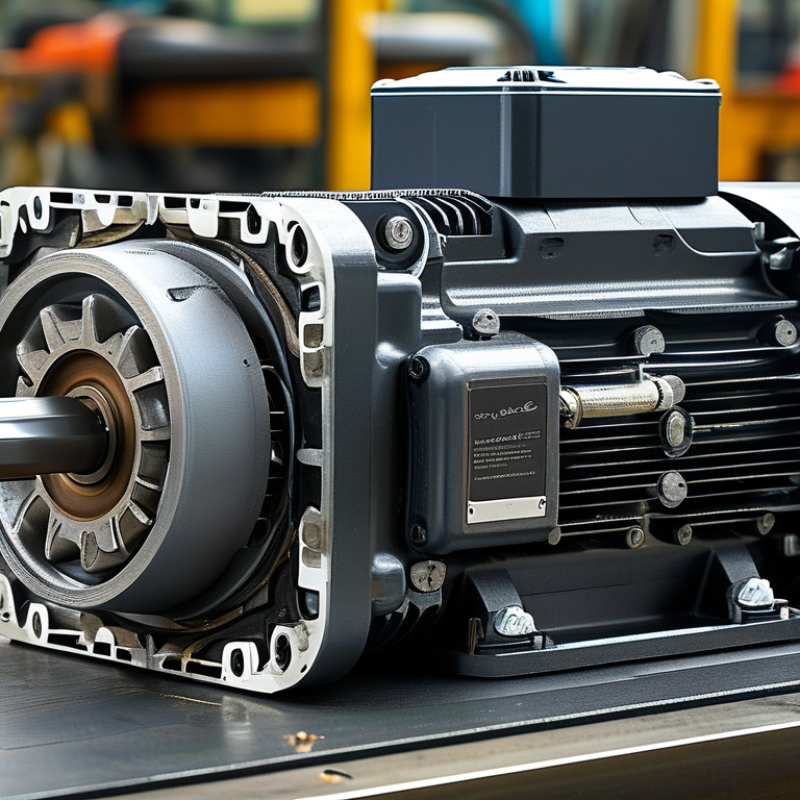
Brushless gear motors are becoming increasingly popular in industrial applications. These motors provide several advantages that enhance efficiency and effectiveness across various sectors. One significant benefit is their high efficiency. Unlike traditional brushed motors, brushless models offer lower energy losses. This leads to reduced electricity costs for businesses.
Another advantage is the longevity of brushless gear motors. Their design minimizes wear and tear. This means less frequent maintenance and replacements are needed. Reliability is crucial in industrial settings, where downtime can be costly. With fewer components to fail, these motors often have a longer operational life.
Noise reduction is also a notable feature. Brushless gear motors operate quietly compared to their brushed counterparts. This is especially important in environments where noise levels need to be controlled. However, it's vital to recognize that the initial investment can be higher than traditional motors. Industries must weigh these upfront costs against the long-term savings. Understanding these factors can help businesses make informed decisions regarding motor selection.
Brushless gear motors are increasingly popular in various industries. Their enhanced energy efficiency is a major driving factor. Unlike traditional motors, brushless designs reduce energy loss from friction. They operate silently, which is a crucial feature in environments needing lower noise levels.
Efficiency translates into reduced operational costs. With these motors, manufacturers can achieve more output with less energy input. This aspect is critical in sectors where energy prices are rising. It's important to consider that while brushless motors are efficient, initial costs may be higher, requiring careful budgeting.
Furthermore, the long lifespan of brushless gear motors can lead to significant savings over time. Maintenance is less frequent due to the absence of brushes. However, companies must ensure proper installation and operation to realize these benefits fully. This showcases the balance between technological advancement and practical application, emphasizing that insight is necessary to maximize efficiency.
Brushless gear motors have become essential in various industries due to their enhanced durability. Unlike traditional motors, these units are designed without brushes, which often wear down over time. This structural difference reduces friction and heat, leading to longer operational lifespans. Industries now rely on these motors, particularly where continuous use and high reliability are crucial.
Maintenance becomes less of a chore with brushless gear motors. Without brushes, there’s less chance of impurities causing damage. This means fewer breakdowns and repairs. Regular servicing intervals can be extended, allowing staff to focus on critical tasks rather than constant upkeep. However, it's essential to monitor these motors closely. Although they are more durable, neglect can still lead to performance issues.
Yet, there are considerations to keep in mind. While these motors offer impressive benefits, they can be more complex to install and integrate. Understanding specific needs and aligning them with motor capabilities is crucial for optimal performance. Simple mistakes can lead to significant setbacks, reminding us that even high-tech solutions require thoughtful implementation. Industries must evaluate their specific circumstances to maximize advantages.
Brushless gear motors are increasingly becoming essential components across various industries. Their versatility allows for seamless integration into applications like robotics, manufacturing, and automation systems. According to a recent report from Research and Markets, the global market for brushless motors is projected to grow at a CAGR of 8.5% from 2023 to 2030. This growth reflects their rising demand due to efficiency and compact design.
Industries benefit significantly from the adaptability of brushless gear motors. In robotics, for instance, these motors provide precise control and can handle varying load conditions. This capability is critical for tasks requiring high torque at low speeds. A study by the International Journal of Advanced Manufacturing Technology highlights that brushless motors improve energy efficiency by up to 30% compared to traditional motors. Such efficiency translates into reduced operational costs and enhanced productivity.
However, challenges remain. Initial costs for brushless gear motors can be higher than their brushed counterparts. This may deter some companies from transitioning. Additionally, the complexity of integration can lead to longer setup times. Addressing these issues requires careful planning and investment in training. Yet, as industries evolve, the long-term benefits of using brushless technology are hard to overlook.
| Industry | Applications | Benefits | Efficiency (%) | Lifespan (hours) |
|---|---|---|---|---|
| Manufacturing | Conveyor systems, robotic arms | High torque, reduced maintenance | 90 | 20,000 |
| Automotive | Electric vehicles, power steering | Improved control, energy efficiency | 85 | 15,000 |
| Aerospace | Actuators, drones | Lightweight, high reliability | 92 | 25,000 |
| Medical | Surgical robots, imaging devices | Precision, low noise | 88 | 30,000 |
| Robotics | Automated guided vehicles, industrial robots | High responsiveness, compact design | 91 | 22,000 |
Brushless gear motors are emerging as a cost-effective choice for many industries. Their efficiency leads to lower operational costs. According to a recent industry report, these motors can reduce energy consumption by up to 30%. This reduction contributes significantly to long-term savings. Replacing traditional motors with brushless alternatives can yield a return on investment within two to three years. Maintenance costs also decrease because these motors have fewer wear parts.
In a survey conducted by a leading engineering firm, 78% of respondents reported decreased downtime with brushless gear motors. This highlights their reliability in demanding applications. Additionally, brushless motors often last longer than their brushed counterparts, with lifespans extended by 30% or more. However, initial costs can be higher. Companies must weigh upfront expenses against longer-term savings. This assessment can reveal potential financial hurdles.
Some industries may hesitate due to perceived complexities in integration. Adjusting current systems to accommodate new technology can be challenging. Yet, many facilities have successfully transitioned, reporting improved performance. In conclusion, while the shift to brushless gear motors may pose some obstacles, the long-term benefits stand out clearly.
: Brushless gear motors provide high efficiency, low energy losses, and reduced electricity costs for businesses.
Brushless gear motors have longer operational lifespans due to minimal wear and tear, leading to less frequent replacements.
These motors operate quietly, making them suitable for environments where noise control is essential.
Yes, maintenance is easier since there are no brushes that wear down, which reduces the risk of breakdowns.
Industries need to assess initial costs against long-term savings and ensure proper integration strategies are in place.
Absolutely. They are versatile and can be used in robotics, manufacturing, and automation systems efficiently.
Higher initial costs and installation complexity might deter some businesses from making the switch.
They can improve energy efficiency by up to 30% compared to traditional motors, leading to cost savings.
Even though they are durable, neglecting maintenance can lead to performance issues and reduced efficiency.
Thorough planning and proper training are essential to avoid setbacks during integration and maximize performance.
Brushless Gear Motors are increasingly recognized for their numerous advantages in industrial applications. One of the primary benefits is their enhanced energy efficiency, which leads to significant energy savings and reduced operational costs. Additionally, these motors boast improved durability, requiring less maintenance compared to traditional motors, which translates to minimized downtime and lower maintenance expenses.
Moreover, the versatility of Brushless Gear Motors allows them to adapt across various industries, making them suitable for a wide range of applications. Their cost-effectiveness over time further solidifies their position as a preferred choice for many industrial sectors, delivering reliable performance while maintaining an economical footprint. With these advantages, brushless gear motors are setting a new standard in industrial efficiency and reliability.
