How to Choose the Right DC Gear Motor for Your Project?

Time:2026-06-30 Author:Sienna
0%

Choosing the right DC gear motor is crucial for project success. These motors play a vital role in various applications, from robotics to small machinery. According to a recent market analysis by Gartner, the DC gear motor market is projected to grow by 8% annually over the next five years. This trend highlights their increasing importance in automation and engineering.

Expert Michael R. Anderson states, “Selecting a DC gear motor is more than just matching voltage and torque.” His insights emphasize the necessity for a comprehensive understanding of both performance and integration aspects. Many project managers overlook the specifics of gear ratios and load requirements, leading to inefficiencies. An ill-suited motor can hinder performance and increase costs.

Ultimately, the decision process requires careful consideration of various factors. Understanding the unique demands of your application is essential. As the technology evolves, staying informed about advancements can make a significant difference. Balancing performance with reliability is key to ensuring the success of your project with the right DC gear motor.
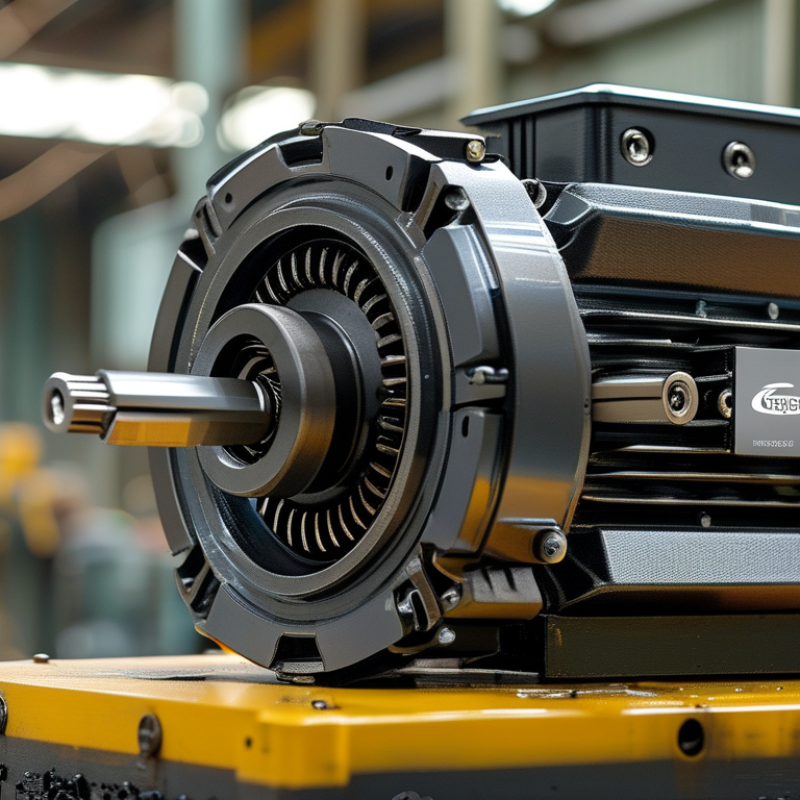
How to Choose the Right DC Gear Motor for Your Project?

Understanding DC Gear Motor Basics: Types and Functions

When selecting a DC gear motor, understanding its types and functions is crucial. DC gear motors vary mainly in design and functionality. Common types include permanent magnet, series-wound, and shunt-wound motors. Each type has unique characteristics suited for different applications. Permanent magnet motors are compact and efficient, making them a popular choice for small devices. Series-wound motors offer high torque at low speeds, ideal for applications requiring heavy lifting.

Tips: Do thorough research before making a decision. Take note of your project requirements. Consider factors like torque, speed, and operating voltage. It’s beneficial to create a chart comparing different motor types and their specifications.

Understanding the functions of a DC gear motor helps in its selection. Gear reduction provides torque multiplication, essential for applications like robotics and conveyor systems. This configuration allows motors to perform heavy tasks without burning out. Reflect on your project’s need for precision and reliability. Sometimes, a motor may offer higher torque but compromise on speed or efficiency. Weigh these factors carefully for the best outcome.

Key Specifications to Consider When Selecting a DC Gear Motor

Choosing the right DC gear motor involves several critical specifications. One of the most important factors is the torque. It determines how much load the motor can handle. Too little torque can lead to insufficient power for applications like robotics. On the other hand, excessive torque can cause mechanical failure.

Another key aspect is the gear ratio. This ratio affects both speed and torque output. A high gear ratio provides greater torque but reduces speed. In contrast, a lower gear ratio offers higher speeds but lower torque. Finding the balance for your specific application is crucial.

Efficiency is another consideration. A motor with high efficiency can save energy and reduce heat generation. Overheating can lead to failure, so checking thermal ratings is wise. Lastly, pay attention to the physical size. Space constraints often dictate what can be used. An oversized motor may not fit, while one that’s too small might not perform adequately. Reflecting on these specifications ensures the proper selection for your project.

How to Choose the Right DC Gear Motor for Your Project?

Specification Description Example Value
Voltage Operating voltage range of the motor 12V - 24V
Torque Output torque provided by the motor 0.5 - 3 Nm
Speed Motor speed at full load 30 - 300 RPM
Gear Ratio Ratio of the input speed to the output speed 10:1 - 100:1
Efficiency Operational efficiency of the motor 70% - 90%
Size Dimensions of the motor for fitting 50mm x 80mm
Weight Mass of the motor 1 - 2 kg

Evaluating Torque and Speed Requirements for Your Application

Evaluating torque and speed requirements is essential when selecting a DC gear motor. Torque is the rotational force the motor generates. Understanding your application's torque needs helps in choosing a suitable motor. For example, a device requiring high torque for lifting heavy loads needs a different motor than one used for a simple rotation task.

Speed is another critical factor. The speed of the motor impacts how quickly it can operate. Consider how fast your project needs to move. A high-speed motor might be ideal for fast conveyors, while a slower motor suits precise applications like robotics. Balance between speed and torque is crucial.

In practice, requirements can be complex. Some projects may face challenges, like space constraints or power supply limitations. You might discover that a motor’s rated specifications don't match real-world conditions. It's wise to prototype and test different models. Observing how they perform under load can reveal necessary adjustments in your design. Engage with experts or technical resources to verify your findings and refine your choices. This process enhances reliability in selecting the right motor.

Assessing Efficiency and Performance Ratings of DC Gear Motors

When selecting a DC gear motor, efficiency and performance ratings are crucial. Efficiency directly affects energy consumption in your project. According to industry reports, the efficiency of modern DC gear motors can range from 70% to 95%. A motor with high efficiency minimizes heat generation and reduces power costs over time. However, achieving high efficiency often comes with trade-offs in torque or speed. It's essential to balance these factors based on your project's requirements.

Performance ratings such as torque, speed, and load capacity are indicators of a motor's capability. Torque is a vital specification, often measured in Newton-meters (Nm). For example, a motor rated at 1.5 Nm is suitable for lightweight applications but may struggle with heavier loads. Keep in mind that overstressing a motor can lead to premature failure. The load capacity should align with the intended application, whether it's robotics, conveyor systems, or automation tasks.

Understanding these performance metrics allows for informed decisions. Reviewing specifications and data sheets is essential. Look for details like temperature ratings and duty cycles. These factors impact reliability and operational lifespan. It's worth questioning if the chosen motor will meet long-term demands, especially in variable environments. Reflecting on these details can enhance the overall effectiveness of your project.

Common Applications and Industry Trends in DC Gear Motor Usage

DC gear motors are widely used in various industries, thanks to their efficiency and versatility. In the robotics sector, these motors can provide precise control over movement. A report by MarketsandMarkets indicates that the global market for DC gear motors is projected to reach $8.9 billion by 2027. This growth is largely attributed to increasing automation across various sectors.

Applications range from automotive to consumer electronics. For example, in automotive applications, DC gear motors aid in power steering and window mechanisms. The medical industry also benefits from these motors, driving essential equipment like patient lifts. These trends highlight the critical role DC gear motors play in modern technology. Industries recognize that choosing the right motor can significantly enhance the performance of their systems.

On the flip side, some projects experience challenges with power loss and maintenance. Miscalculating torque requirements can lead to inefficiencies. Engineers must ensure they select the right specifications tailored to their applications. Furthermore, understanding the latest industry trends can aid in making more informed decisions. Staying ahead in this evolving market requires continuous learning and adaptation.

FAQS

: What are the common types of DC gear motors?

: Common types include permanent magnet, series-wound, and shunt-wound motors. Each suits different applications.

Why is torque important in a DC gear motor?

Torque affects how much load the motor can handle. Insufficient torque may cause failure in heavy applications.

What does the gear ratio determine?

Gear ratio affects speed and torque output. A high ratio boosts torque but lowers speed; the opposite is true for a low ratio.

How can I ensure my motor operates efficiently?

Check the motor's efficiency ratings to save energy. Overheating can lead to failure, so thermal ratings matter.

What should I consider regarding the size of the motor?

Physical size is crucial. An oversized motor may not fit, while a motor that’s too small can underperform.

What role does gear reduction play in motor functions?

Gear reduction provides torque multiplication. This is vital for tasks needing heavy lifting without burning out the motor.

Can a motor with high torque be inefficient?

Yes, sometimes high torque can compromise speed or efficiency. Balance is key to achieving desired performance.

Is research necessary before choosing a motor?

Absolutely, thorough research is vital to understand different motor types and match them to your project needs.

How do I evaluate my project’s requirements?

Consider factors like torque needs, speed preferences, and operating voltage. Documenting these helps guide your decision.

What happens if I ignore thermal ratings?

Ignoring thermal ratings can lead to overheating and possible mechanical failure. Always monitor heat generation for longevity.

Conclusion

When selecting a DC gear motor for your project, it’s crucial to understand its basics, including the various types and their functions. Key specifications such as voltage, torque, and speed ratings play a significant role in ensuring the motor meets the requirements of your application. Evaluating torque and speed is essential, as these factors directly influence the motor's performance in your specific use case.

Additionally, assessing the efficiency and performance ratings helps in selecting a reliable DC gear motor that optimizes energy consumption while delivering the desired output. Understanding common applications across different industries can also provide valuable insights into how DC gear motors are utilized. Keeping these considerations in mind will guide you in making an informed choice that aligns with your project needs.

Sienna

Sienna

Sienna is a skilled marketing professional with a deep expertise in our company’s core products and services. With a passion for innovation and detail, she plays a pivotal role in crafting insightful blog posts that not only highlight the unique features of our offerings but also provide valuable......